
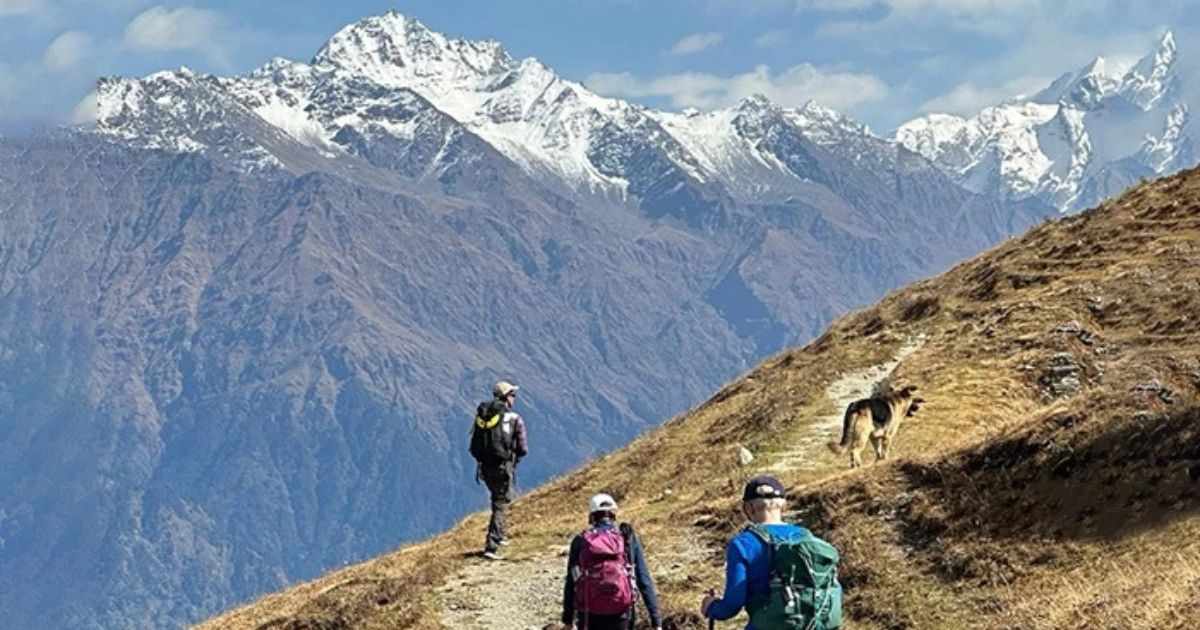
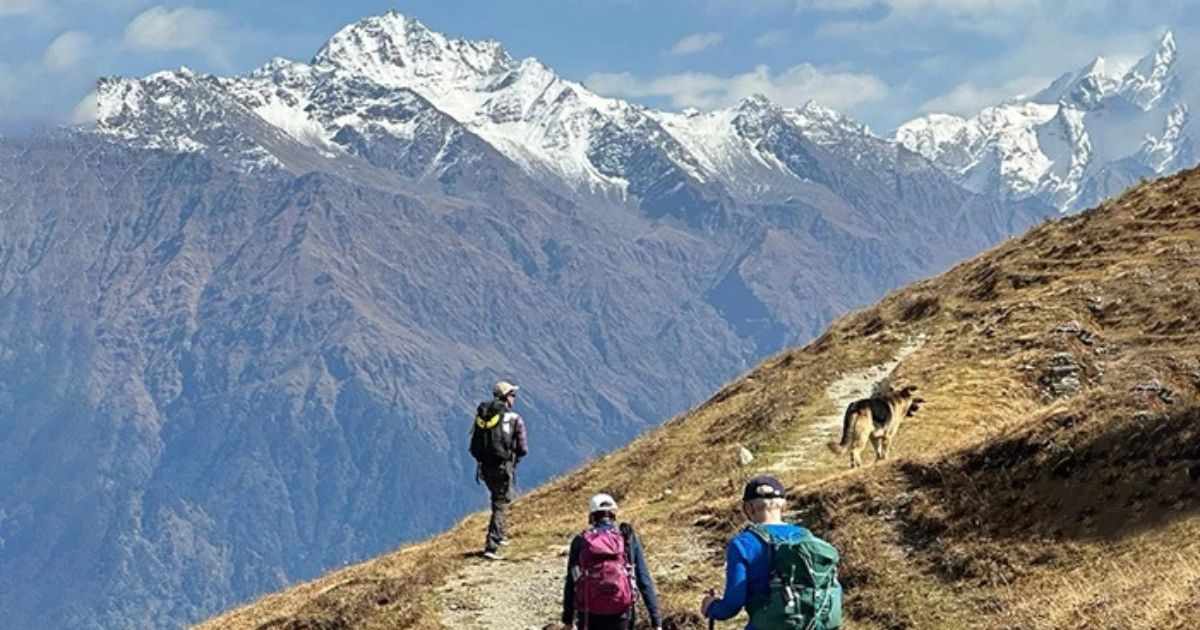
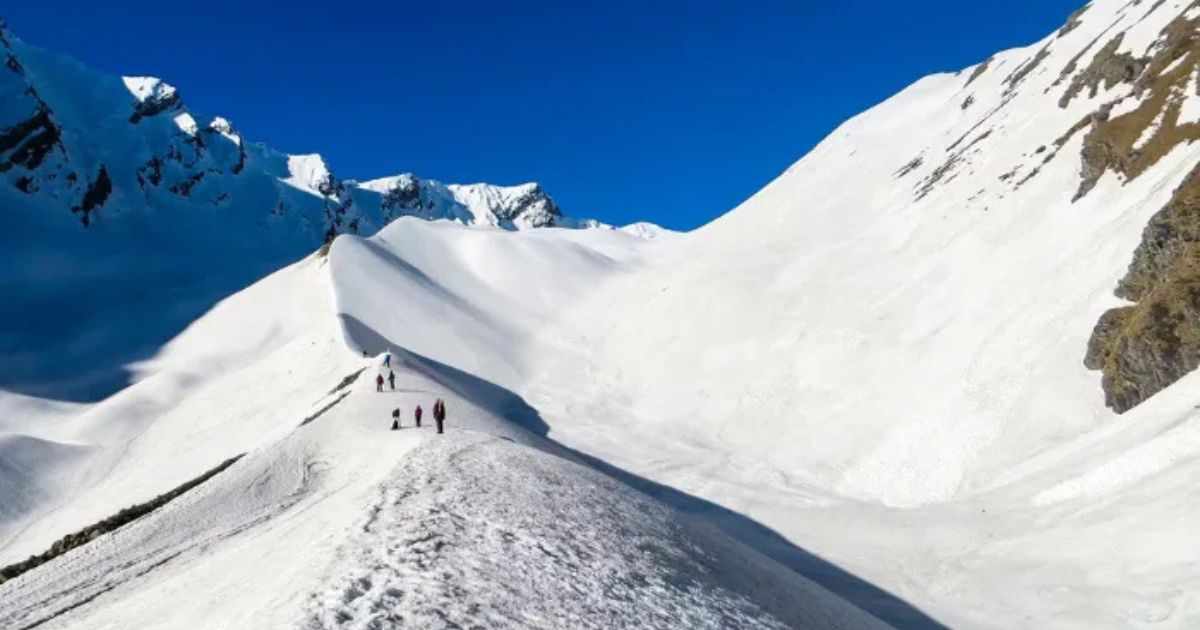
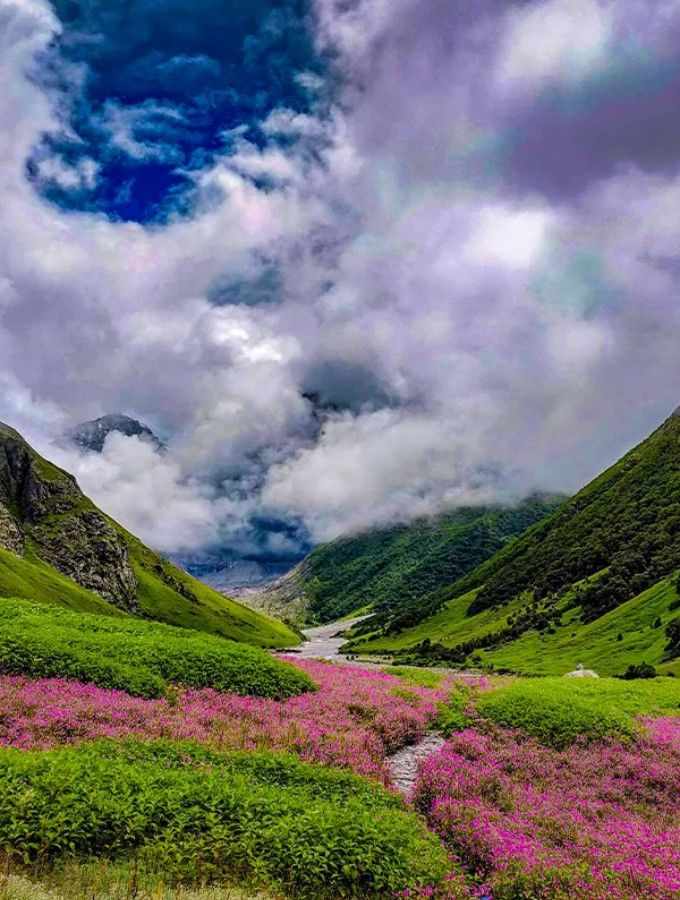
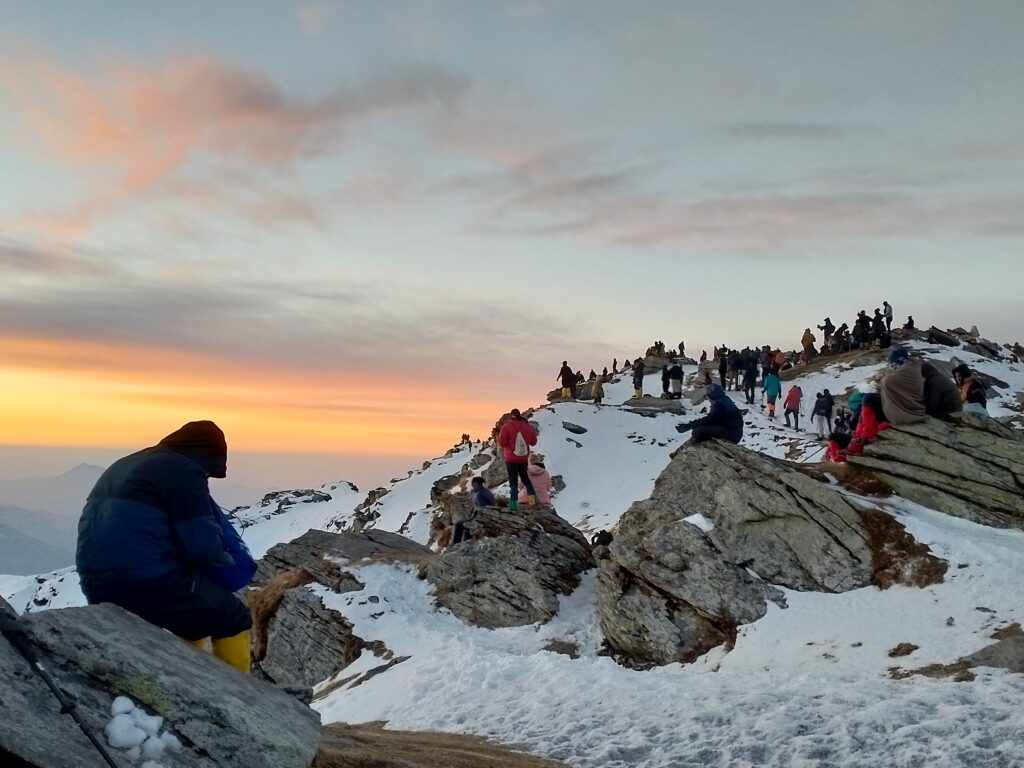
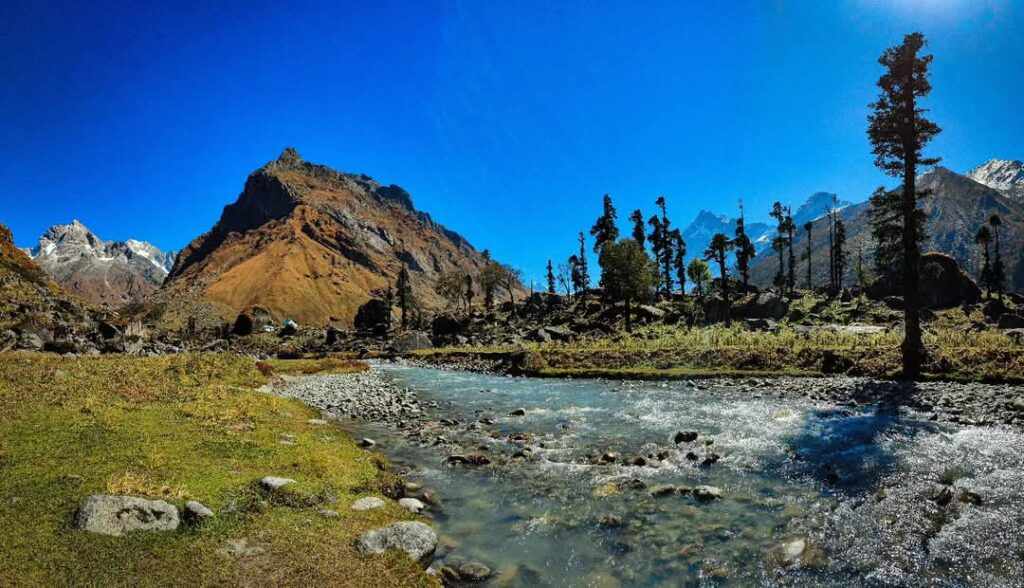
The Bali Pass Trek is one of Uttarakhand’s most demanding yet rewarding high-altitude adventures. Connecting the picturesque Har Ki Dun Valley with the sacred Yamunotri region, this crossover trek challenges even seasoned trekkers with steep ascents, glacier walks, and a thrilling summit crossing at over 16,000 ft. While the experience is unforgettable, understanding the expenses involved is essential before planning your journey. This guide explains every major component that contributes to the Bali pass Trek cost, including permits, guides, accommodation, and meals.
Understanding What Influences Trek Expenses
Unlike short weekend treks, Bali Pass requires extensive planning, skilled manpower, and safety measures. The trek spans multiple days in remote terrain where resources are limited and logistics must be arranged in advance. Costs vary depending on the trekking season, group size, level of support, and whether you choose a guided package or attempt independent arrangements.
Reputable trekking operators like Himalaya Tribe design all-inclusive packages to simplify planning while ensuring safety and comfort in challenging mountain conditions.
Permit and Forest Fees
One of the first expenses involved in the trek is obtaining the necessary permits. Since the route passes through Govind Pashu Vihar National Park and other protected forest areas, trekkers must carry official forest permits.
These permits help regulate footfall, protect fragile ecosystems, and ensure safety tracking in remote zones. The permit cost usually includes forest entry fees, campsite charges, and environmental maintenance fees. When booking through an organized operator, this amount is included in the package, saving trekkers from the hassle of local paperwork and approvals.
Cost of Hiring an Experienced Guide
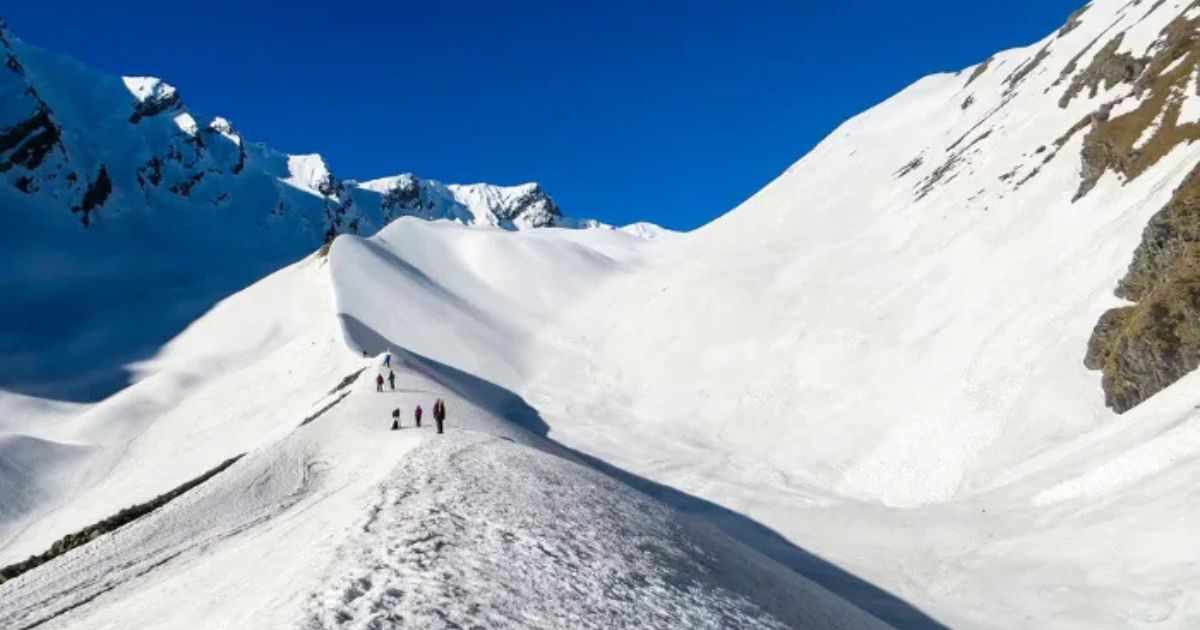
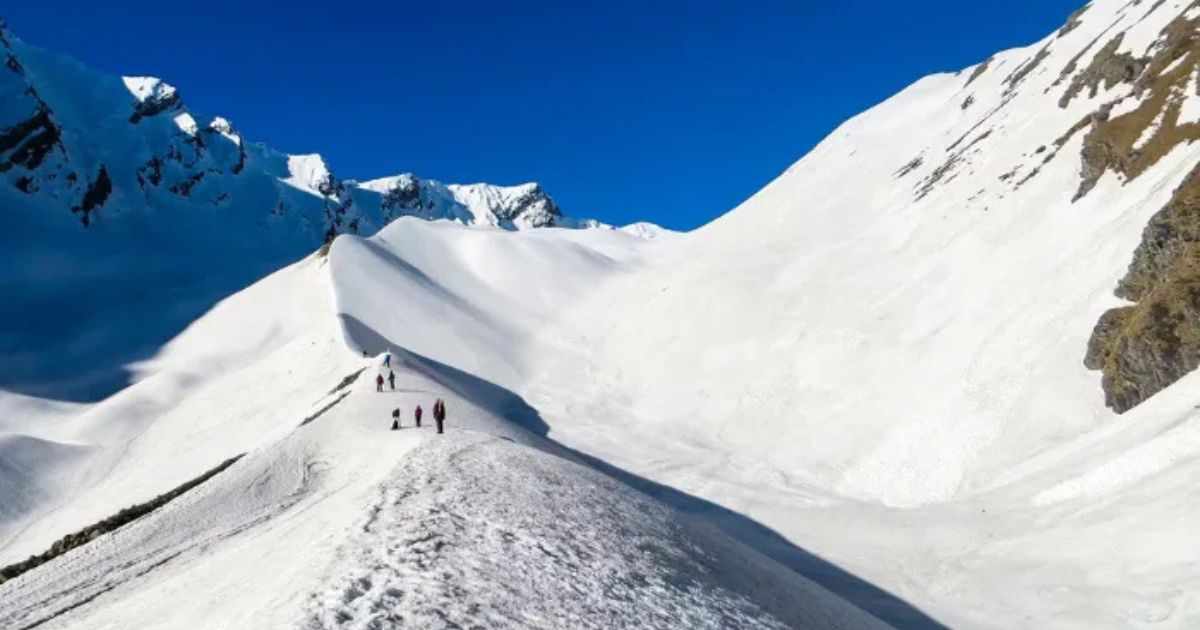
A professional guide is not optional on Bali Pass—it is a necessity. The route includes crevassed snowfields, unpredictable weather, and technical sections near the pass that require local expertise. Guides are trained in altitude response, route navigation, and emergency handling.
The guide cost typically covers:
Certified high-altitude trekking guide
Support staff coordination
Safety briefings and route decisions
When you evaluate the Bali pass Trek cost, the guide fee represents a critical investment in safety rather than an added expense. Companies like Himalaya Tribe work with experienced local guides who understand the terrain and weather patterns intimately.
Accommodation and Campsite Expenses
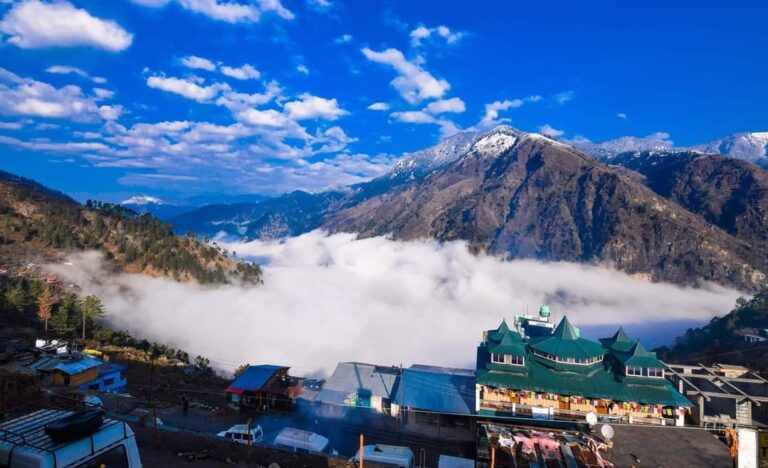
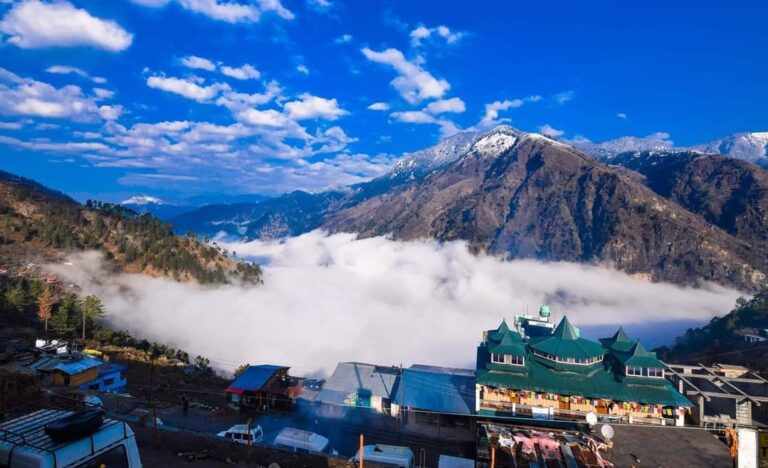
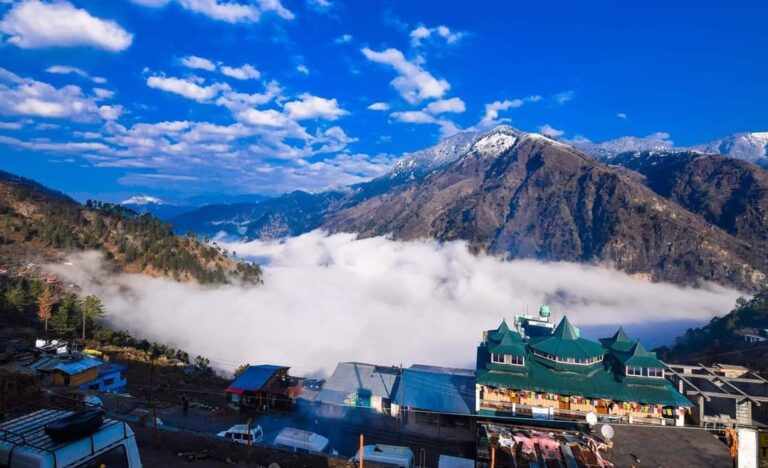
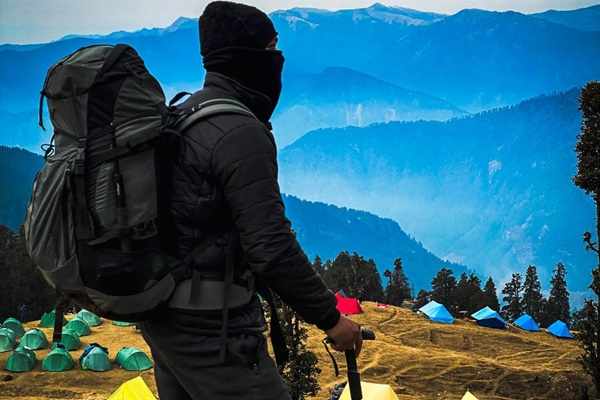
Accommodation on the Bali Pass Trek is a mix of guesthouses and alpine camps. At lower altitudes such as Sankri and Osla, trekkers stay in simple but comfortable guesthouses. As you move higher, accommodation shifts to tents at designated campsites.
Costs related to stay include:
Guesthouse lodging before and after the trek
High-quality tents, sleeping bags, and mattresses
Campsite maintenance and setup
Given the remoteness of campsites like Ruinsara Tal and Odari, transporting camping equipment itself involves manpower and logistical planning, which reflects in the overall pricing.
Meals and Kitchen Setup
Food plays a vital role in maintaining energy levels at high altitude. Meals on the Bali Pass Trek are freshly prepared by experienced mountain cooks using locally sourced ingredients wherever possible.
Meal-related costs usually cover:
Three nutritious meals per day during the trek
Evening snacks and hot beverages
High-calorie menus designed for cold conditions
The expense includes transportation of ration supplies, fuel, utensils, and the cooking staff—another reason why organized treks offer better value than attempting to self-manage food in remote areas.
Safety Equipment and Technical Gear
Certain sections of the trek, especially near the pass, require technical equipment such as microspikes, gaiters, ropes, and ice axes depending on snow conditions. Reliable operators include these essentials along with first-aid kits, oxygen cylinders, and communication devices.
While this equipment significantly improves safety, it also adds to the operational cost. When considering the Bali pass Trek cost, it’s important to ensure your package includes proper safety gear rather than opting for cheaper, compromised alternatives.
Transportation and Logistics
Most Bali Pass itineraries begin from Dehradun, with road transfers to Sankri and back. These long mountain drives involve skilled drivers, sturdy vehicles, and fuel costs for remote routes.
Additionally, mule or porter services are used to carry common equipment and ration loads. Their wages and insurance are part of the overall logistics cost handled by professional operators like Himalaya Tribe.
Why Package Treks Offer Better Value
While some trekkers consider organizing everything independently, Bali Pass is not a trek where cost-cutting is advisable. Package treks offer:
Transparent pricing
Experienced manpower
Emergency support systems
Time-saving coordination
When all inclusions are considered, the Bali pass Trek cost through a trusted trekking company often turns out to be more economical and far safer than arranging everything separately.
Final Thoughts
The Bali Pass Trek is an expedition-style journey that demands preparation, expertise, and respect for the mountains. Its cost reflects the complexity of operating safely in high-altitude terrain rather than luxury or excess. By choosing an experienced organizer like Himalaya Tribe, trekkers gain peace of mind, professional support, and a well-balanced trekking experience that justifies every rupee spent.

Write a comment ...