
When planning a Himalayan trek, understanding the difficulty level and preparing your body correctly can make the difference between an exhausting struggle and a deeply enjoyable experience. The Phulara ridge Trek is often described as beginner-friendly, but that does not mean preparation is optional. This trek rewards those who arrive fit, informed, and mentally ready to walk long distances in mountain terrain.
This guide explains the real difficulty level of the trek and how you should prepare your fitness, stamina, and mindset before heading into the Garhwal Himalayas.
Understanding the Actual Difficulty Level
The trek is classified as easy to moderate, which places it among the more accessible Himalayan treks. However, “easy” in the mountains does not mean effortless. The trail involves continuous walking over multiple days, gradual ascents, and long ridge sections where weather exposure plays a role.
There are no technical climbs, glacier crossings, or rope sections. The path is well-defined, and the altitude gain is gradual, allowing the body to acclimatize naturally. This makes the trek suitable for first-time trekkers who have prepared properly and for experienced trekkers looking for a relaxed yet scenic route.
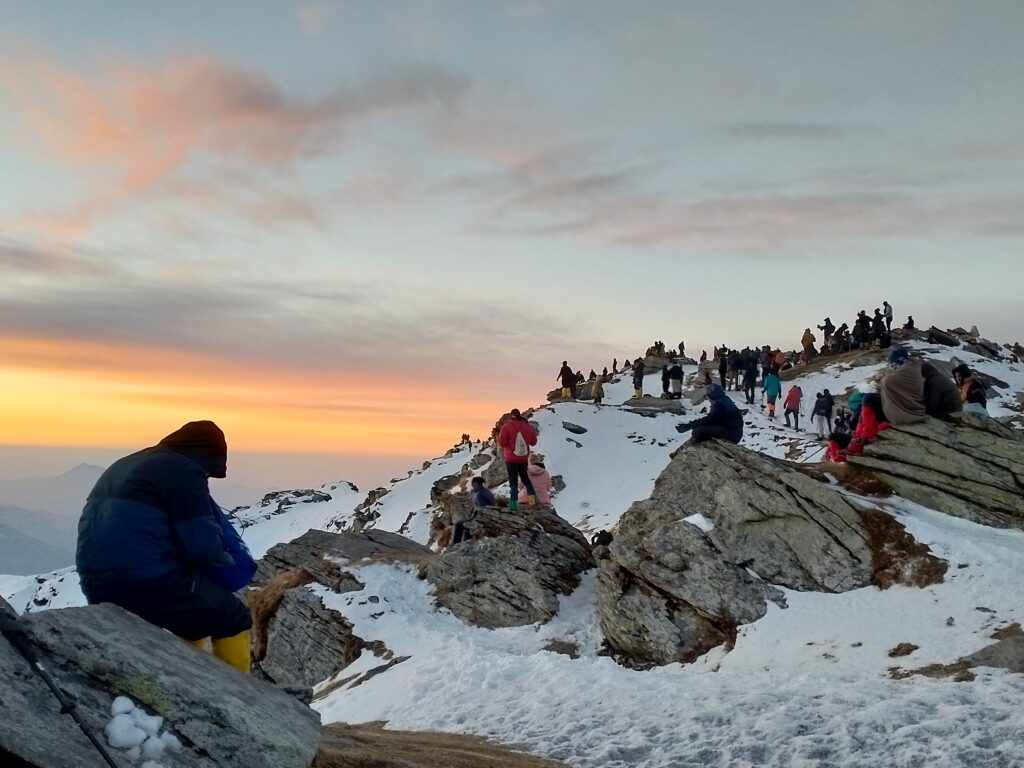
The highest point of the trek is a little over 12,000 feet. At this altitude, oxygen levels are lower than at sea level, which means breathing becomes slightly heavier during climbs. This is normal and manageable with correct pacing.
Terrain and Trail Conditions
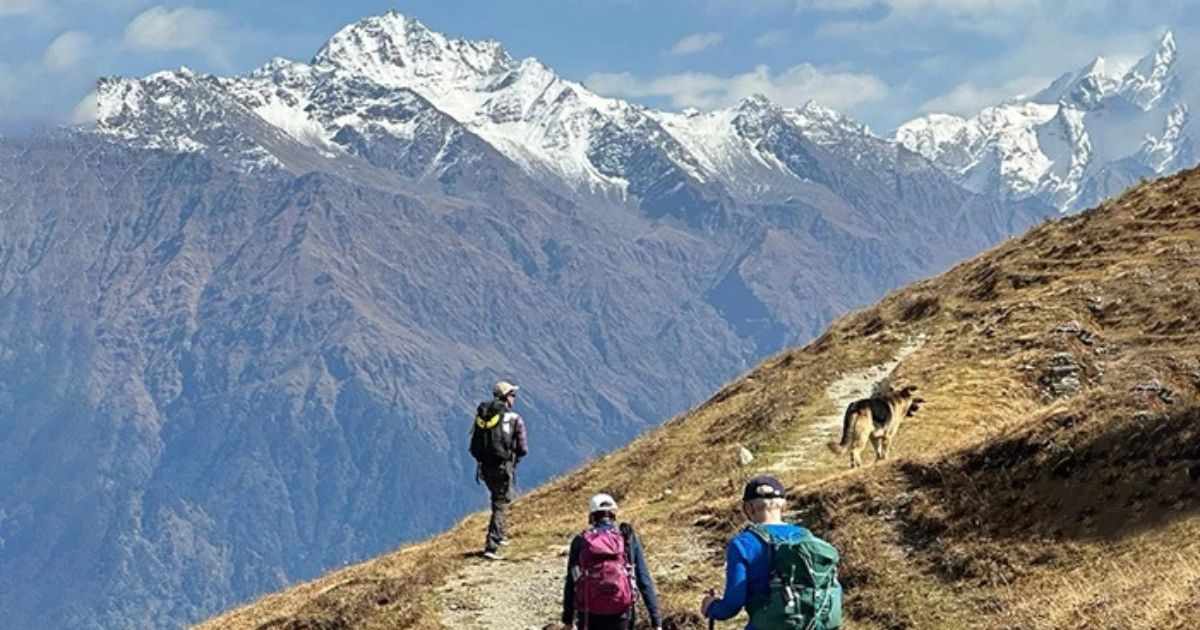
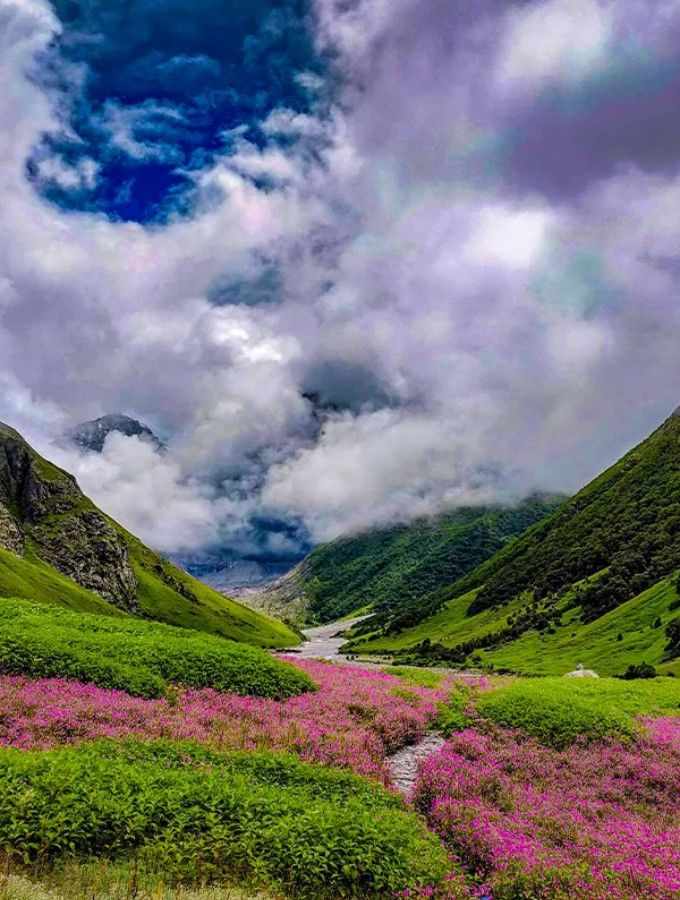
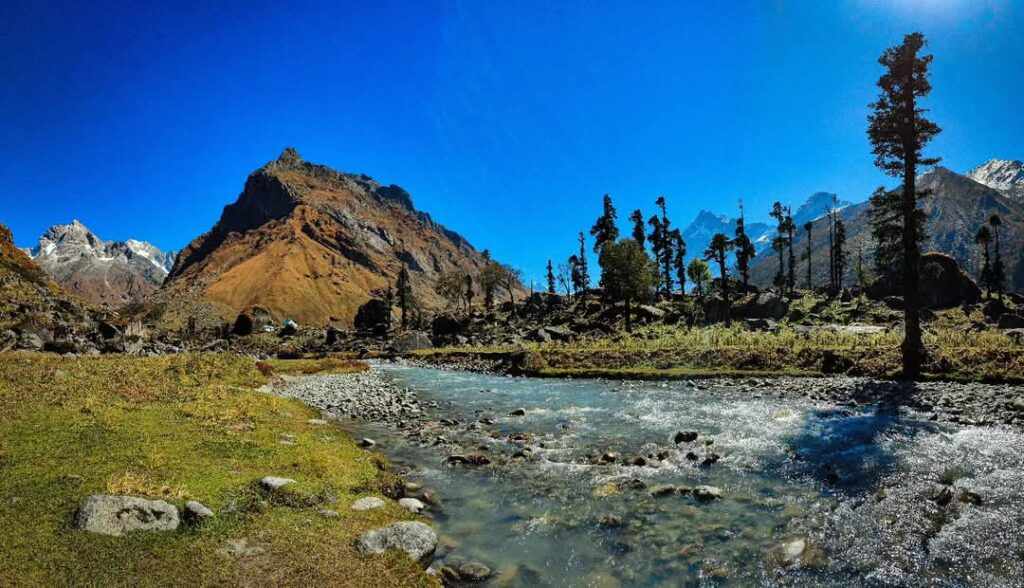
The terrain changes steadily throughout the trek. Initial days involve forest trails with soft ground, roots, and occasional stones. As you gain height, the landscape opens into meadows and ridge lines with firm, grassy paths.
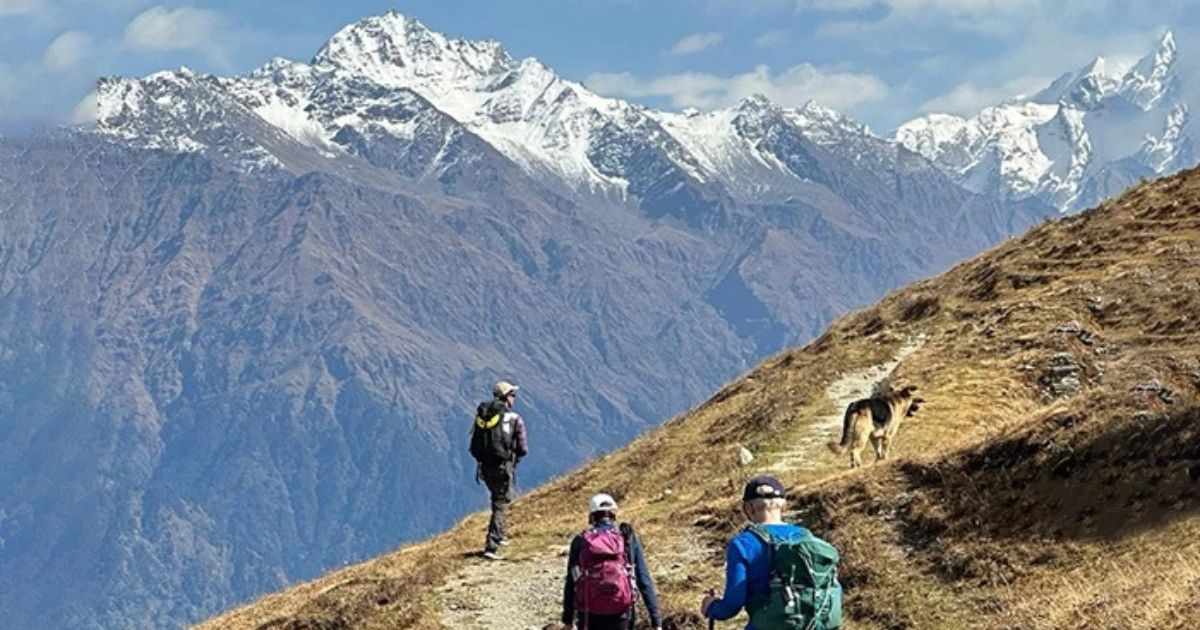
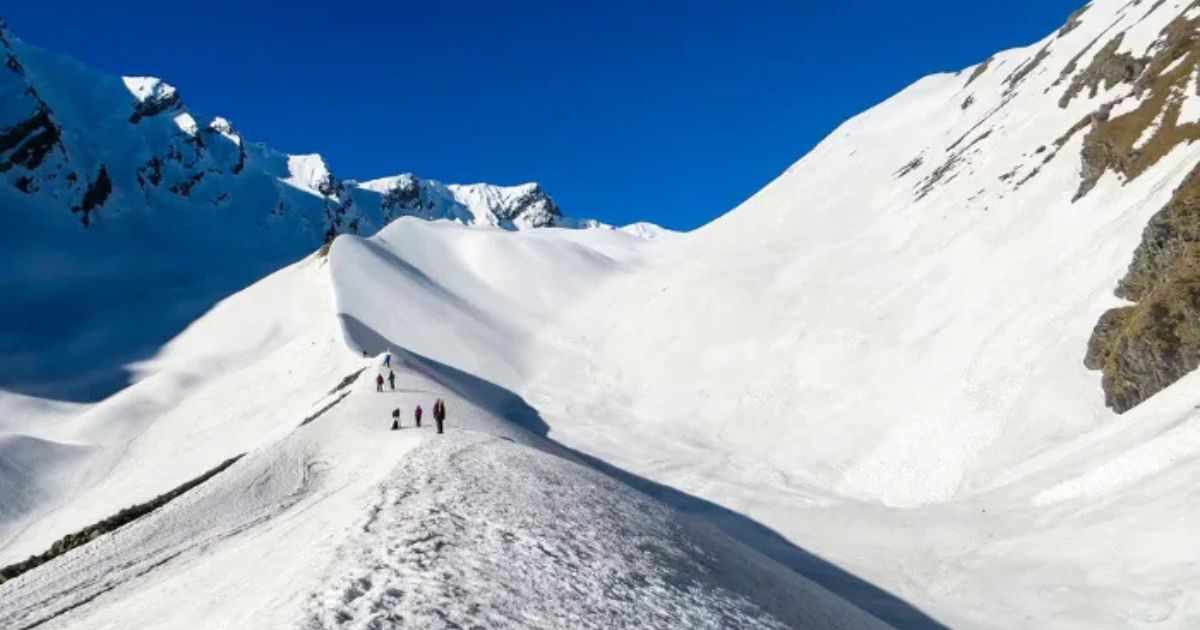
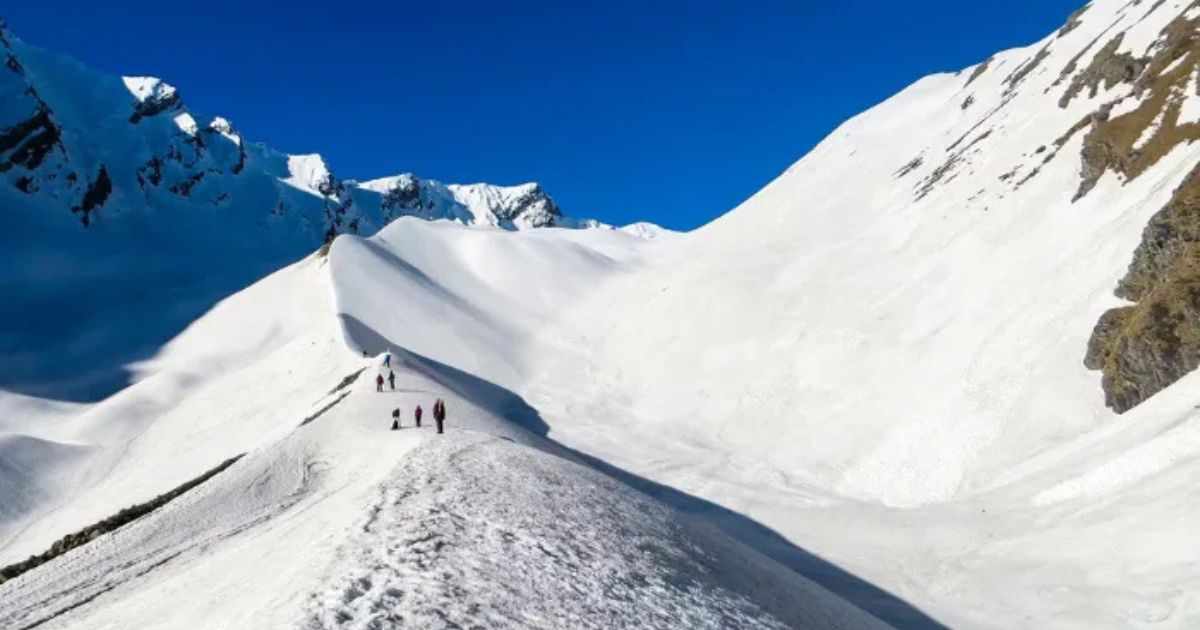
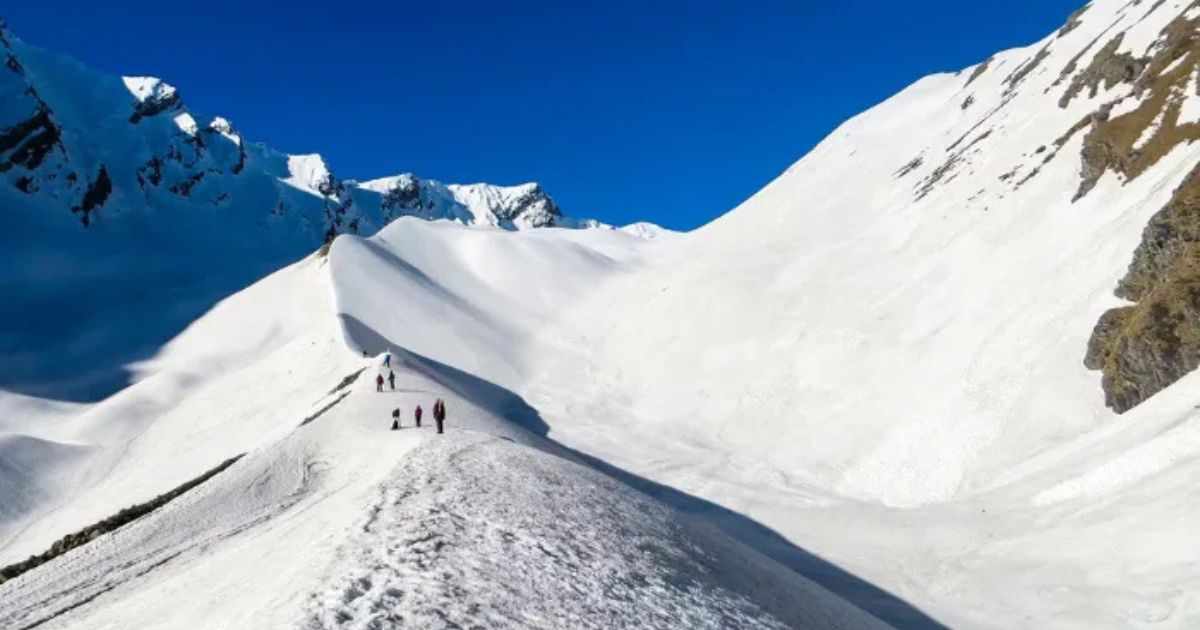
The ridge section is the most distinctive part of the trek. It involves long, continuous walking on an exposed ridgeline. While the trail itself is not difficult, the length of the ridge walk tests endurance rather than strength. Wind, sun exposure, and changing weather conditions can add to the challenge.
Downhill sections are gentle but prolonged. Many trekkers find descents harder on the knees than ascents, which is why leg strength and joint stability are important.
Who Is This Trek Best Suited For?
This trek is ideal for:
First-time Himalayan trekkers with basic fitness
Regular walkers or runners looking to step into mountain trekking
Nature lovers who prefer scenic trails over technical challenges
Trekkers recovering from more demanding expeditions
It may not be suitable for individuals with severe knee issues, recent injuries, or those unaccustomed to walking for several hours a day.
The Phulara ridge Trek does not demand speed or strength but does require consistency. Being able to walk comfortably for 5–6 hours at a steady pace is more important than intense physical power.
Fitness Preparation: What Really Matters
Cardiovascular Endurance
Cardio fitness is the foundation of trek preparation. Start at least 3–4 weeks before your trek.
Recommended activities:
Brisk walking for 45–60 minutes
Jogging or light running 3–4 times a week
Cycling or swimming for stamina building
Your goal should be to walk continuously without feeling breathless.
Leg Strength
Strong legs help with both ascents and descents. Focus on:
Squats and lunges
Step-ups on stairs
Wall sits for endurance
These exercises strengthen thighs, calves, and knees, reducing fatigue on long trekking days.
Core and Balance
Ridge walking requires stability. A strong core improves balance and posture.
Planks and side planks
Basic yoga poses
Balance exercises on one leg
These help especially when carrying a backpack.
Mental Readiness Is Equally Important
Mental preparation is often overlooked. Trekking involves early mornings, basic facilities, changing weather, and physical fatigue. Being mentally prepared to adapt makes the experience far more enjoyable.
The ridge walk can feel long, especially for first-timers. Instead of focusing on distance, break the walk into small sections. Enjoy the views, maintain a steady pace, and remember that consistency beats speed in the mountains.
Packing Smart to Reduce Difficulty
Carrying unnecessary weight increases difficulty. Pack light and smart:
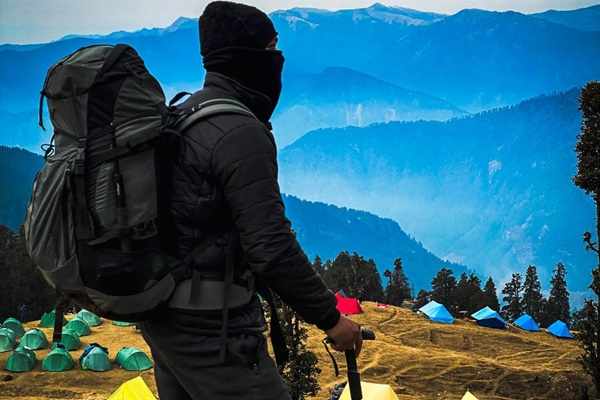
Lightweight backpack with proper support
Comfortable trekking shoes with ankle grip
Layered clothing instead of heavy jackets
Reusable water bottles and energy snacks
Good gear does not eliminate effort, but it reduces discomfort and fatigue significantly.
Acclimatization and Safety
The gradual ascent of this trek allows natural acclimatization, but listening to your body is crucial. Stay hydrated, eat well, and communicate openly with your trek leader if you feel unwell.
Himalaya Tribe emphasizes proper acclimatization, rest breaks, and safe pacing. Their experienced guides ensure that trekkers maintain a rhythm suitable for altitude and group comfort, which plays a major role in managing difficulty.
Why Preparation Enhances the Experience
Prepared trekkers enjoy the journey more. Instead of focusing on tired legs or shortness of breath, you get to absorb the landscape, notice changing light across valleys, and fully experience the ridge walk.
The Phulara ridge Trek is not about pushing limits—it is about walking through the Himalayas with awareness and balance. Proper fitness preparation transforms the trek from a challenge into a memorable journey.
Final Thoughts
Difficulty in the mountains is relative. With the right mindset, basic fitness, and realistic expectations, this trek becomes one of the most rewarding ridge walks in Uttarakhand. It is gentle enough for beginners yet scenic enough to impress seasoned trekkers.
When planned and guided thoughtfully by Himalaya Tribe, the trek offers not just physical activity but a deeper connection with the landscape—one step at a time.

Write a comment ...